
LEARN TO
COOK WILD
Wild seafood doesn't ask much of you. Start with the best ingredient in the ocean and dinner is three moves: thaw it, pat dry, get cooking.
FOUR STEPS TO THE PERFECT PAN FRY.
Overnight in the fridge, out of pack. In a hurry? Seal in bag and place under cold water for 20 minutes. Really in a hurry? Follow cook from frozen below.
This is the step everyone skips and the one that matters most. Dry surface, paper towel, both sides. Wet fish steams. Dry fish sears.
Salt and pepper is genuinely enough. Get the pan hot before the fish goes in — you want it to hiss, not sizzle politely.
Follow cook times on pack. Wild fish is lean — it dries out fast so better to pull it slightly early and let it finish cooking on plate. Be sure to follow internal temp.
FROM FROZEN
Forgot to thaw? Some products cook up great straight from the freezer like Pink Salmon, Sabelfish, and Wild Alaska Pollock Fillets.
Take the fish straight from the freezer, lay it in a single layer in the basket — skin-side down, not touching — and set 400°F for the time on the pack. No oil, no flip, no turning halfway. It's done when the thickest part flakes with a fork, follow cook times on pack.
MAKE THIS
TONIGHT
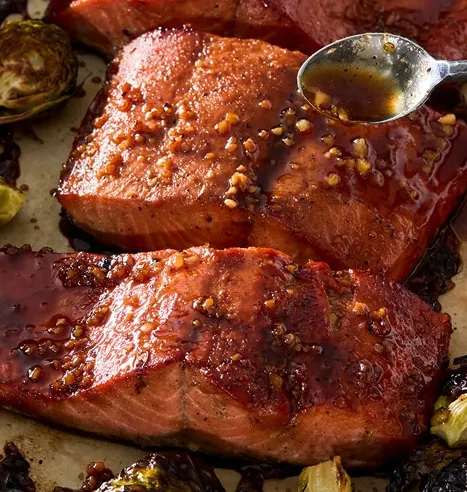
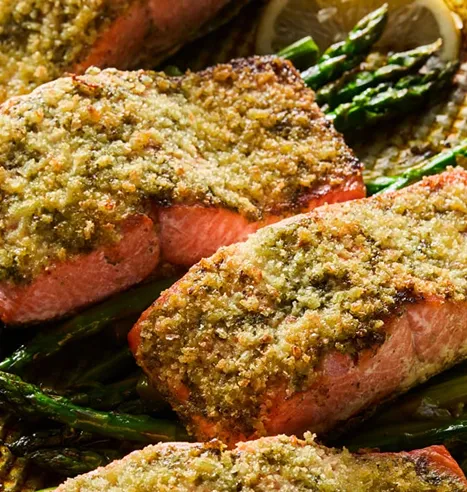
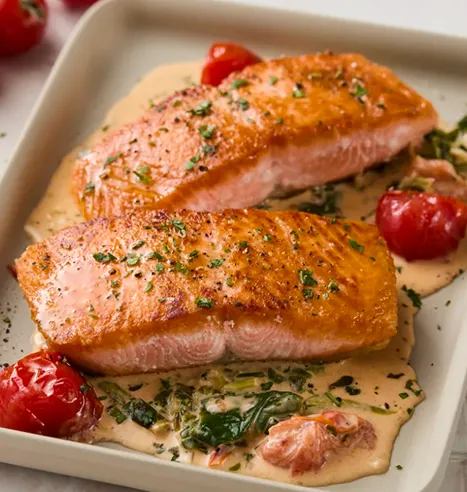
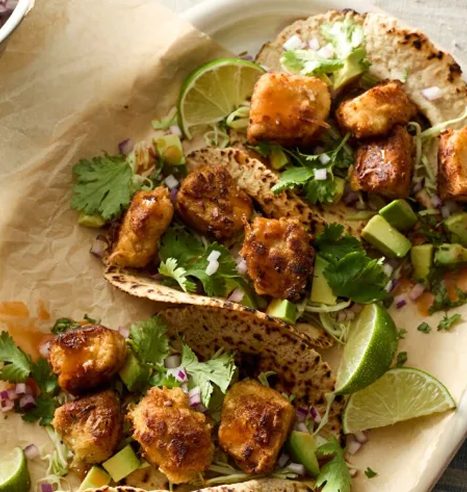
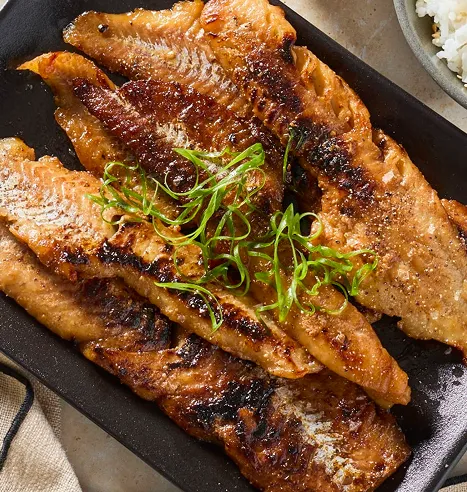
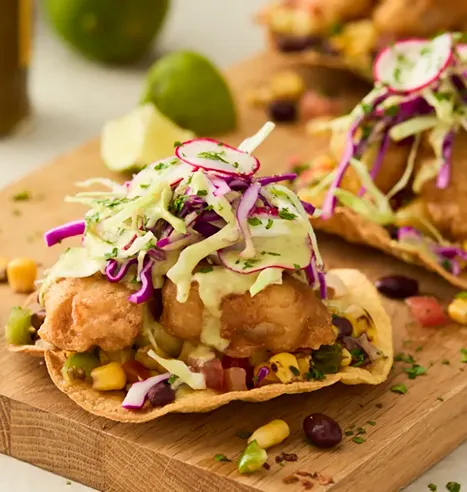
send me more recipes
A short note every so often: seasonal recipes, simple techniques. No daily email. We promise.
how it's caught
Pots
Comprised of a steel-frame and covered in mesh, pots are sometimes longlined. But if they aren't, each pot that’s placed on the seafloor must have its own buoy to indicate its position at the ocean surface. Lured with bait, the targeted species enter the pots through an opening that prevents escapement. After the pots are pulled out of the water, any non-targeted species is returned to back to the water alive, which leads to nearly zero bycatch.
Purse Seining
To form a parachute-like shape, the seiner travels in a circle while drawing out its net after a school of fish is spotted. The top line floats on the water’s surface with a smaller boat typically holding anchor. Once the seiner forms a circle, the specially weighted-bottom encloses, or purses, the net before the crew hauls it up. The catch is then either brought aboard or transferred to a larger tender boat.
Midwater Trawling
In Alaskan waters, trawling describes several different harvest methods — including beam trawling to bottom trawling to pelagic trawling. Pelagic trawls, also known as midwater trawls, are specially designed to harvest target species that school at specific depths above the seafloor. Differences in mesh size, escapement devices, and other technical features help to minimize bycatch and habitat disruption. Continuous improvement and ongoing gear innovation ensure that pelagic trawls can be used to harvest fish at the highest quality, sustainability, and value.
Gillnetting
Almost like curtains in the water, gillnets are buoyed on the top line and weighted on the bottom. The size of the mesh openings are designed specifically for the species being targeted in order to limit the bycatch of other types of fish, as well as females. Once wooden sailboats, your typical gillnetter now runs 30-40 feet long and is hydraulic-powered. After the net is reeled in over the drum, the fish are picked by hand, one-by-one out of the mesh.




you shouldn’t
have to guess
Wild fish eat what the rivers and oceans provide.
Alaska wrote sustainability into its constitution. Every fishery manages harvest yields based on what nature can supply.
Founder Arron Kallenberg, a third-generation Alaskan, grew up on his family’s fishing boats. That legacy informs our commitment to sustainability and integrity.
the whole
lineup
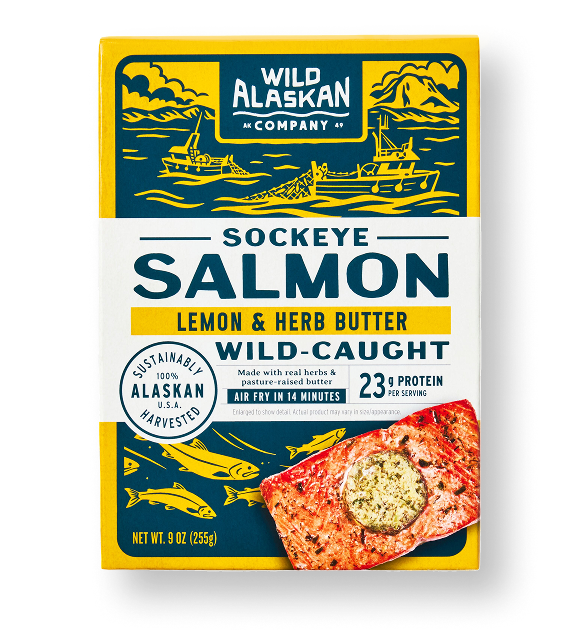
Sockeye Salmon
Lemon & Herb Butter
A timeless pairing done right: flaky sockeye with pasture-raised butter brightened by lemon and herbs. No artificial anything.
Air fry 14 min · 23g protein
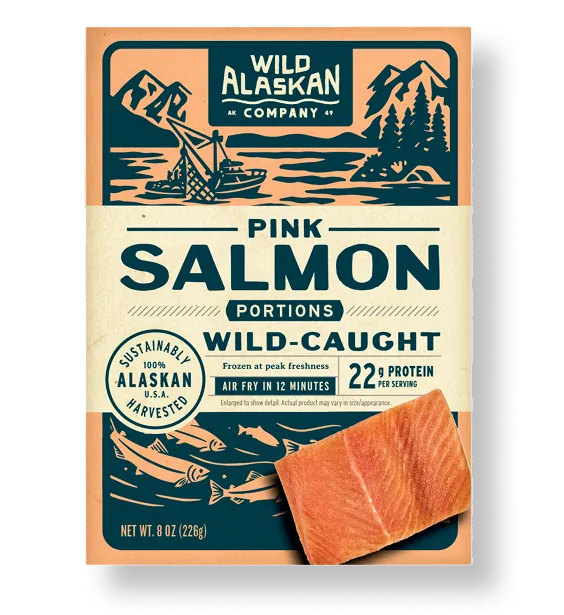
Pink salmon
Portions
Rich in flavor and naturally pink, with a satisfying, tender bite. Portioned for quick, nutritious meals any day of the week.
Air fry 12 min · 22g protein
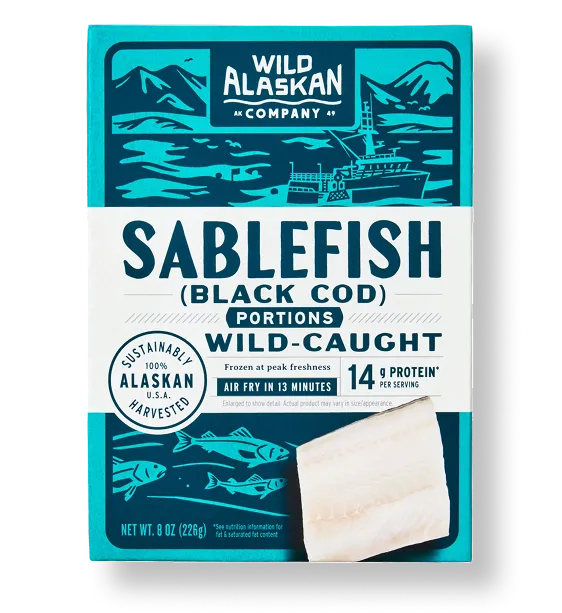
Sablefish (Black Cod)
portions
Silky, buttery, indulgently rich. Natural oils give black cod a melt-in-your-mouth finish that stays tender however you cook it.
Air fry 13 min · 14g protein
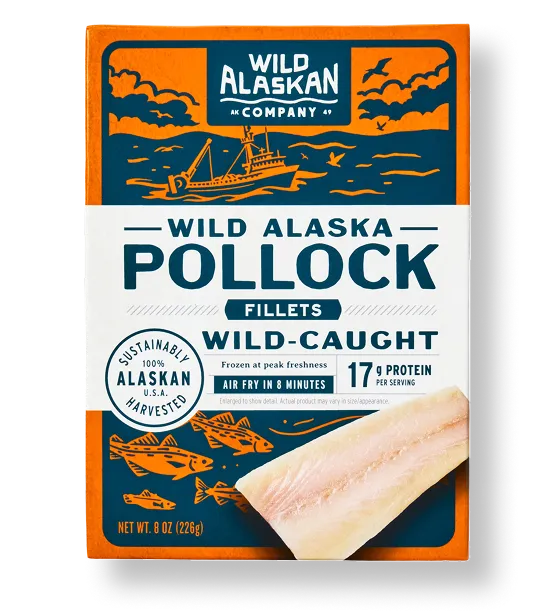
wild alaska pollock
fillets
Light, flaky, melt-in-your-mouth tender, with a clean, subtly sweet flavor that pairs effortlessly with your seasonings.
Air fry 8 min · 17g protein
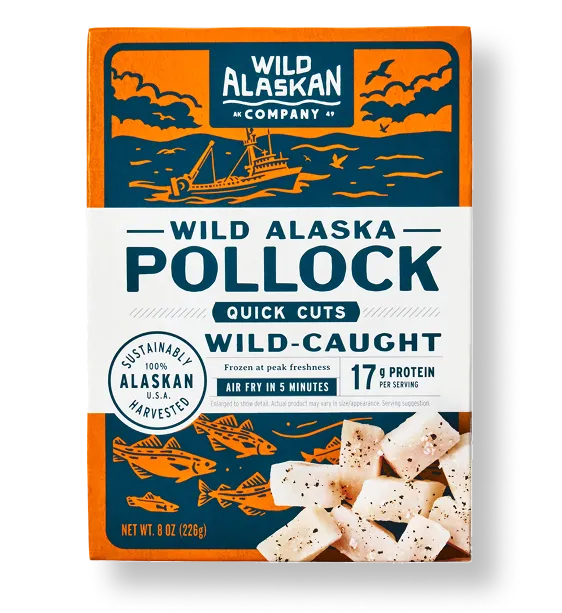
wild alaska pollock
quick cuts
Bite-sized and ready in minutes. Crisp outside, moist inside, naturally lean — great for tacos, soups, and stir-fries.
Air fry 5 min · 17g protein
shop over 30+ products
Alaska is closer than you think
frequently asked
questions
Alaska is the gold standard for fisheries management worldwide. Wild seafood is one of Alaska's most precious resources, and the state is serious about ensuring its continued abundance. Sustainability isn't just a trend, it's the law: Alaska's constitution has required sustainable management for over 60 years, and since 1990 Alaska has banned finfish farming altogether — including salmon — protecting wild stocks and the ecosystems they depend on.
Wild seafood isn't just food — it's a connection to something greater. It comes from living, breathing ecosystems that have nourished life for millennia, not a pen or a tank. Farming practices can have a negative impact on ocean health, but by choosing wild-caught seafood you're supporting fishing communities and animal species that need healthy ecosystems to thrive.
Wild-caught seafood tends to be leaner than its farmed counterparts, so cook times are typically a little faster. When in doubt use a meat thermometer and check your fish early — you can always cook it more, you can't cook it less.
The 100% wild-caught seafood we provide has no added chemicals, preservatives, or antibiotics — just good clean fish.
All of our seafood is sustainably sourced from Alaskan fishing regions, including Bristol Bay — home to the largest sockeye salmon run in the world. Alaska is the only state with sustainable fishing written into its constitution.
Our seafood is frozen at peak freshness shortly after it's caught, which locks in quality better than fish that sits on ice for days before reaching a store.
For best texture, remove from packaging and thaw in the refrigerator overnight. Need it faster? Remove from packaging and place the seafood in a ziploc bag in a bowl of cold water for 20–30 minutes. Avoid thawing at room temperature or in the microwave, which can affect texture and quality.
Stored in your freezer, check the date on your package for specifics. Once thawed, plan to cook it within one to two days and store it in the coldest part of your fridge in the meantime.

